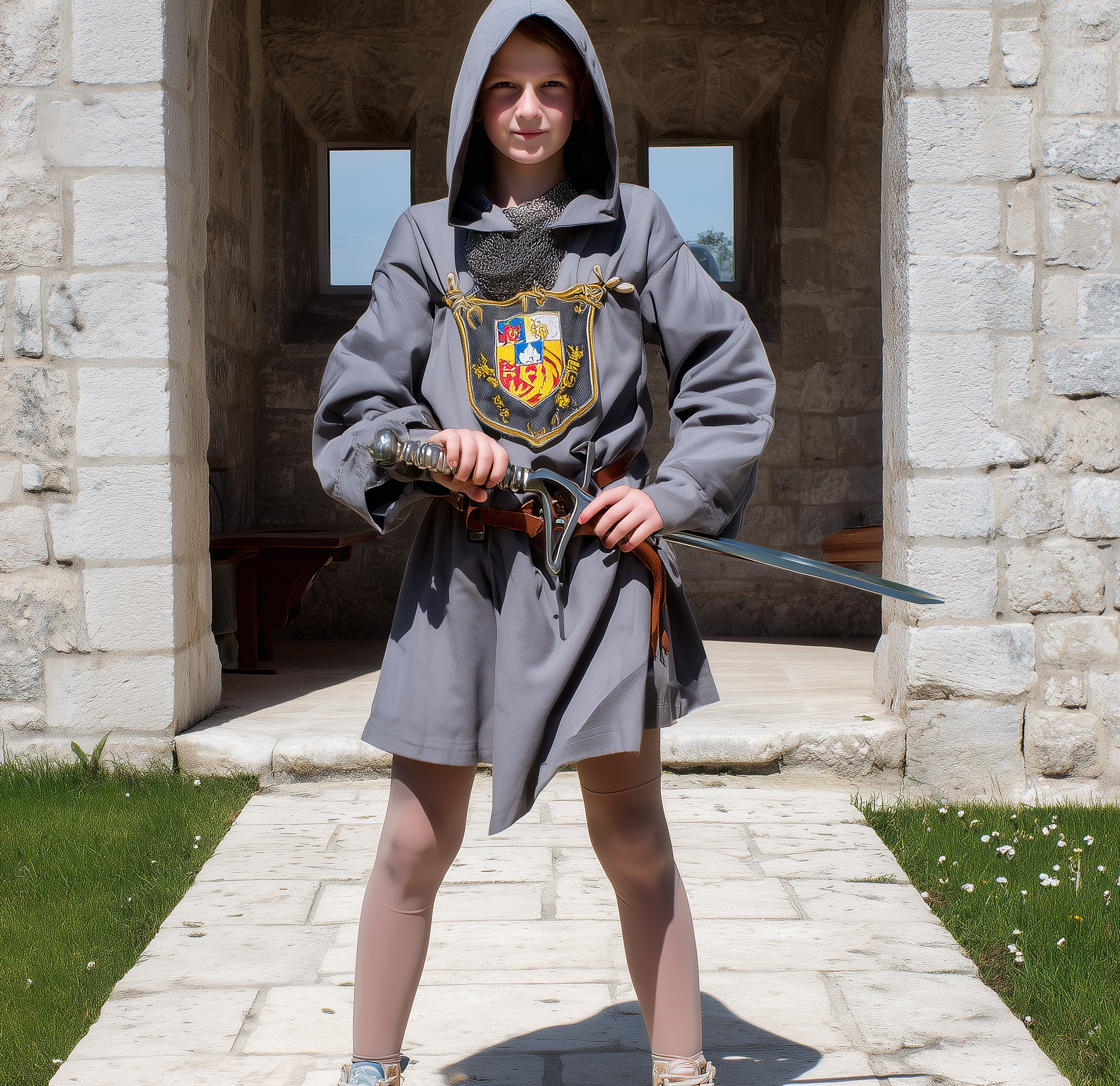
Cosplay has always balanced fantasy and reality. A sword, shield, helmet, blaster, staff or full armor set can turn a costume into a complete character. For many cosplayers, props are not small accessories. They are the center of the whole build. They show skill, creativity and attention to the original design.
But at festivals, cosplay weapons and armor are not judged only by how realistic they look. They are also judged by how safe they are. A prop that looks impressive in photos may become a problem in a crowded hall, near a stage, in a queue or at an entrance checkpoint. This is why festival rules and safer materials are changing the way cosplayers design and build weapons and armor.
Today, good cosplay crafting is not only about accuracy. It is also about responsibility.
Why Safety Rules Matter
Large fan events bring together thousands of visitors. People move through narrow aisles, stand in lines, take photos, watch performances and walk through vendor areas. In this environment, a long spear, heavy armor shoulder, sharp blade edge or hard helmet horn can accidentally hurt someone.
Most problems are not intentional. A cosplayer may turn quickly and hit someone with a large prop. A hard armor piece may scratch another visitor. A heavy shield may fall. A realistic weapon may alarm security or other guests. Even when no one is injured, unclear props can slow down entry checks and create stress for staff.
Festival rules exist to reduce these risks. Many events ban real weapons, sharp metal blades, functional bows, realistic firearms without markings or heavy props that cannot be safely carried. Some festivals require prop checks at the entrance and attach a tag or wristband to approved items.
For cosplayers, this means safety must be considered from the first sketch, not only after the costume is finished.
Materials Are Becoming Part of the Design
The biggest change in cosplay weapon and armor crafting is the move toward lighter, softer and more flexible materials. In the past, beginners sometimes believed that heavier materials looked more “real.” Now, experienced builders know that smart material choice can create the same visual effect with less risk.
EVA foam is one of the most popular materials for armor and weapons because it is light, affordable and easy to shape. It can be cut, heat-formed, sealed and painted to look like metal, leather, wood or stone. A foam sword may look dramatic on stage but remain much safer than a hard wooden or metal version.
Thermoplastics are also common for armor details, but they require careful handling. They can create clean shapes and durable pieces, yet edges must be smoothed and weight must be controlled. 3D printing is another powerful tool, but printed parts can be brittle or sharp if not sanded properly. A 3D-printed blade or spike may look perfect but still fail a safety check if it has hard points.
For safe festival props, the goal is not to avoid realism. The goal is to create the illusion of realism using materials that are light, rounded, stable and easy to control in public space.
The New Logic of Prop Construction
Festival-safe crafting changes the structure of a prop. A large weapon may need a foam core rather than a rigid rod. If a support rod is used, it should not extend into tips or edges where it can become dangerous. Sharp-looking parts should be sculpted as rounded forms. Blades should have soft edges. Spikes should bend or compress slightly.
Weight distribution is also important. A prop that is technically light can still be awkward if all weight is at one end. A huge hammer, axe or staff should be built so the cosplayer can carry it for hours without losing control. If the prop is too tiring, accidents become more likely.
Armor has similar issues. Oversized shoulder pieces, wings, horns and back attachments must be designed with movement in mind. The cosplayer should be able to walk, sit, turn and use stairs without hitting people. A costume that only works when standing still is difficult to manage at a festival.
Good builders often test movement before painting the final piece. They walk through doorways, turn in small spaces, raise and lower arms, bend down and practice safe posing. This testing stage can reveal problems that are invisible in photos.
Realism vs. Public Comfort
One of the hardest questions is how realistic a cosplay weapon should be. Some characters carry guns, knives, swords or military-style equipment. Accuracy may be important to the costume, but festivals must also consider public comfort and local regulations.
Realistic firearm props are especially sensitive. Even if they are fake, they can create fear if they look too real. Many events require bright tips, fantasy styling, disabled mechanisms or clear visual signs that the item is a prop. Some ban realistic gun props entirely.
Cosplayers can solve this creatively. Instead of copying every detail of a weapon, they can exaggerate colors, add fictional elements or use stylized finishes. A prop can still match the character’s world without looking like a real, functional weapon.
This is where creativity becomes more important than imitation. A festival-safe prop should communicate the character clearly while respecting the shared space.
Armor Comfort and Emergency Access
Armor safety is not only about other visitors. It is also about the cosplayer. Heavy or poorly ventilated armor can cause overheating, fatigue, restricted breathing or difficulty moving. At indoor events, lights, crowds and long waiting times can make this worse.
Safe armor should allow the wearer to remove at least part of the costume quickly. Straps, magnets, Velcro and buckles should be accessible. A handler or friend can help with complicated builds, especially large armor sets or costumes with limited visibility.
Visibility is a major issue. Helmets, masks and large collars can reduce peripheral vision. A cosplayer may not see children, bags, steps or low barriers. For this reason, many experienced cosplayers build hidden ventilation, wider eye openings or removable helmets for moving through crowded areas.
A beautiful armor set is not successful if the wearer cannot safely function inside it.
Festival Checks and Communication
Prop checks should not be seen as an insult to craftsmanship. They are part of the relationship between cosplayers and event organizers. If a prop is approved, the cosplayer can enjoy the event with less worry. If staff ask for changes, it is usually because they must protect everyone at the venue.
Cosplayers can make this process easier by reading rules before building, not the night before the event. If rules are unclear, it is better to contact organizers with photos, dimensions and material descriptions. Some festivals publish maximum prop lengths, banned materials or specific requirements for replica weapons.
Clear communication prevents disappointment. It is much better to adjust a prop early than to arrive at the entrance and be told it cannot enter.
How Safety Improves Craftsmanship
Some cosplayers fear that safety rules limit creativity. In reality, they often improve craftsmanship. A lightweight sword that looks like steel requires skill. Foam armor that appears heavy but moves comfortably shows real technical understanding. A safe oversized prop that survives a full festival day is a serious achievement.
Safety rules push builders to think like designers, engineers and performers at the same time. They must consider appearance, weight, balance, movement, durability and public use. This makes the final costume stronger, not weaker.
The best cosplay weapons and armor are convincing from a distance, detailed up close and safe in a crowd. They respect the character, the maker, the audience and the festival space.
Conclusion
Cosplay weapons and armor are becoming more sophisticated because festivals are becoming more serious about safety. Rules about materials, size, sharp edges, realistic weapons and prop checks are now part of modern cosplay culture.
This does not mean cosplay must become less dramatic or less accurate. It means builders must plan differently. Foam, thermoplastics, flexible parts, rounded edges, smart weight distribution and clear communication with organizers all help create props that look impressive without creating unnecessary danger.
Safe crafting is not a compromise. It is a sign of experience. A cosplayer who can build a powerful-looking weapon or armor set that is light, controlled and festival-approved understands the true challenge of the craft.
