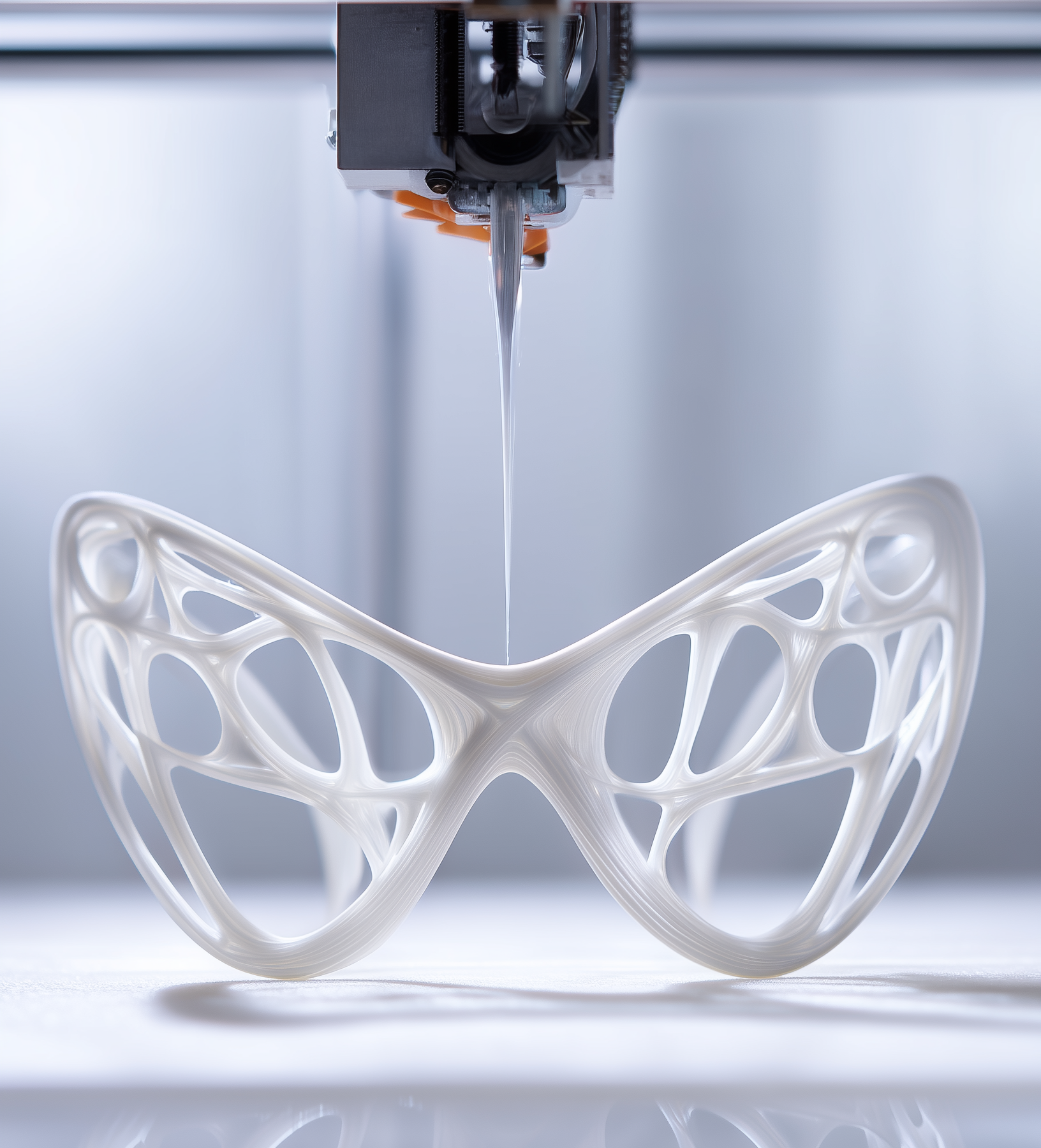
3D printing has become one of the most influential tools in modern cosplay. It has not replaced handcrafting, foam work, sewing or painting, but it has changed what cosplayers can build and how realistic their props can look at festivals. Weapons, armor details, helmets, badges, masks, jewelry, mechanical parts and tiny decorative elements can now be created with a level of precision that was once difficult to achieve by hand.
For many cosplayers, 3D printing is not about making an entire costume with a machine. It is about solving specific problems. A character may have a complex belt buckle, a futuristic wrist device, an unusual mask ornament or a detailed weapon handle. These elements may be too small, too symmetrical or too geometric to shape neatly from foam or clay. With 3D printing, the cosplayer can model or download the part, print it, sand it, paint it and attach it to the costume.
This has changed expectations at festivals. Visitors and judges now often look closely at details that were once simplified. A clean emblem, a sharp mechanical pattern or a perfectly repeated armor segment can make the whole costume feel more professional. The prop does not need to be functional. It needs to create the illusion that it belongs to the character’s world.
One of the strongest advantages of 3D printing is accuracy. Many fictional designs include shapes that are almost impossible to reproduce by hand with perfect consistency. Sci-fi armor, fantasy weapons, game accessories and anime props often use layered surfaces, engraved lines and complicated curves. A 3D printer can repeat these forms with impressive control. If a costume needs ten identical small pieces, the printer can produce them more consistently than manual cutting.
3D printing also helps cosplayers scale props to their own body. A helmet from a game or comic may look perfect on screen, but real human proportions are different. Digital files can be resized before printing, allowing the final prop to fit the wearer better. This is especially useful for helmets, masks, shoulder armor, gauntlets and fitted accessories. A better fit makes the costume more comfortable and more believable.
However, printing is only the beginning. A raw printed part usually does not look festival-ready. Layer lines, rough surfaces and support marks must be removed or hidden. Sanding, priming, filling, sealing and painting are essential steps. This post-processing stage is where many props become realistic. Without it, even a well-designed print can look cheap or unfinished.
The best 3D-printed cosplay props often combine digital precision with traditional craft skills. A printed blade handle may be attached to a foam blade for safety. A printed emblem may be placed on a sewn costume. A printed armor detail may be blended into foam or thermoplastic. Paint can add metal effects, weathering, scratches, shadows and depth. The machine creates the form, but the cosplayer creates the illusion.
Material choice also matters. Different plastics have different strengths and weaknesses. Some are easy to print but may soften in heat. Others are stronger but harder to work with. A prop that looks fine at home may become fragile during travel or uncomfortable during a long festival day. Small decorative parts can be printed with more detail, while larger structural pieces need strength, flexibility and safe edges.
Safety is one of the most important issues. A 3D-printed sword, spike or armor edge can be hard and sharp if it is not designed carefully. Festivals may reject props that appear dangerous, even if they are not real weapons. Cosplayers must think about rounded edges, weight, break points and how the item behaves in a crowd. A prop should look impressive in photos but remain safe in queues, corridors and stage areas.
3D printing has also changed how cosplayers repair and modify props. If a small part breaks before an event, it can sometimes be printed again instead of rebuilt from zero. If a piece is uncomfortable, the digital model can be adjusted and reprinted. This makes cosplay more experimental. Builders can test versions, improve proportions and refine details over time.
At the same time, 3D printing has created new challenges. Not every cosplayer knows 3D modeling. Some rely on purchased or free files, which may not fit their costume perfectly. Others may print objects without understanding how to assemble or reinforce them. A file that looks good on screen can fail in real life if it is too thin, too heavy or badly divided into parts.
There is also a question of originality. When many people use the same downloadable files, props can start to look similar. To stand out, cosplayers often modify digital models, combine printed parts with handmade elements or use unique painting techniques. 3D printing gives access to precision, but creativity still depends on the maker.
For festivals, 3D-printed props have raised the standard of visual realism. A character’s weapon can now include tiny screws, layered panels, glowing inserts or engraved symbols. Armor can have crisp edges and repeated patterns. Accessories can match the source material more closely. This makes the whole event more immersive for visitors and photographers.
But realism does not mean copying every detail without adaptation. Festival realism is different from screen accuracy. A prop must survive movement, transport, heat, crowds and safety checks. It must be light enough to carry and strong enough not to break. It must look convincing from a distance and polished up close. This is where experienced cosplayers make smart compromises.
A printed helmet, for example, may need hidden ventilation. A large printed weapon may need to be hollow or divided into sections. A decorative part may need magnets or flexible straps instead of permanent glue. These practical decisions are invisible to the audience, but they decide whether the costume works during the event.
3D printing has also made collaboration easier. One person may design the digital model, another may print it, and the cosplayer may finish and paint it. Online communities share tips about scaling, supports, sanding, fillers, paints and assembly. This exchange of knowledge has helped many beginners attempt props that once seemed too advanced.
Still, the most successful results come when technology supports the character rather than dominates the costume. A prop should not feel like a plastic object added to an outfit. It should look like part of the world the character comes from. Paint, texture, weathering, attachment methods and movement all matter.
3D printing is changing cosplay props because it allows small details to become sharper, complex shapes to become more accessible and festival costumes to look more realistic. But it is not a shortcut around craftsmanship. It is a tool that rewards planning, finishing, patience and design sense.
The future of cosplay will likely include even more printed elements, from flexible materials to lightweight modular armor and custom-fit accessories. Yet the heart of cosplay will remain the same: turning imagination into something people can see, wear and share. 3D printing simply gives cosplayers a new way to bring that imagination closer to reality.
