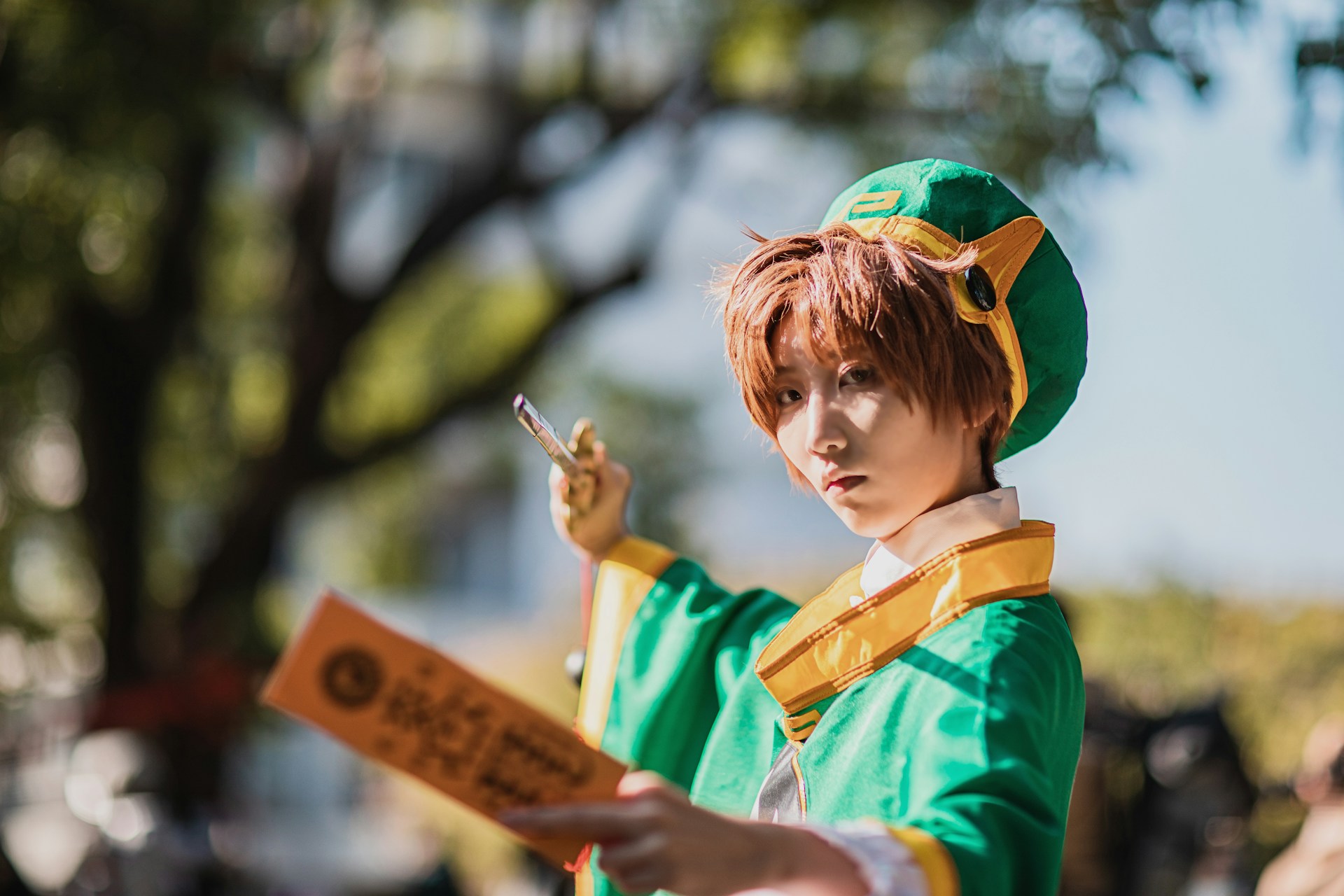
Spring convention season runs from March through June, covering events like Emerald City Comic Con, MomoCon, and dozens of regional cons. Crowds are dense, schedules are long, and convention centers are either freezing from aggressive AC or sweltering from body heat. Showing up underprepared in an elaborate costume is a fast way to ruin a $400 build before noon. These seven items separate cosplayers who make it through a full con day from those who don’t.
Why Spring Cons Demand Specific Preparation
Spring conventions present a unique set of conditions. Outdoor lines form in variable weather — 50°F mornings can give way to 75°F afternoons. Costumes built for photo shoots face 8–12 hours of continuous wear, contact with strangers, and 15,000+ steps across concrete floors. Every item below addresses a real, predictable failure point. For many attendees, preparation even extends to downtime between panels, where some unwind with mobile entertainment platforms like https://gry-hazardowe-zadarmo.com/lemon-casino/, making it just as important to plan for both performance and recovery during long convention days.
The Seven Essential Items
These items are non-negotiable for anyone wearing a complex costume over a full convention day. Each solves a specific problem that will otherwise occur.
1. Body-Safe Adhesive and Removal Solvent
Pros-Aide is the industry standard for long-wear body adhesive and holds through sweat better than spirit gum in most conditions. The specific problem at spring cons is heat — even moderate crowd density breaks down inadequate adhesives within two to three hours.
Carry the matching Pros-Aide remover, not generic acetone. Generic solvents damage foam latex and silicone prosthetics irreversibly. A 1oz kit of each covers a full convention day with one reapplication and fits in any bag.
2. Costume Repair Kit Matched to Your Materials
A repair kit that doesn’t match your costume’s materials is useless. EVA foam builds need contact cement. Fabric costumes need a sewing kit and seam ripper. Worbla builds need a heat source and spare scraps.
The minimum universal kit: fabric tape, a glue gun with two sticks, safety pins in three sizes, and a needle-and-thread card. Pack it in a flat zip pouch that’s accessible in under 30 seconds — repairs happen in convention hallways, not at a workbench.
3. Blister Prevention and Foot Care
Convention floors are concrete under thin carpet. Character-specific footwear — heels, foam boots, platforms — is not engineered for 10-hour wear. Blisters typically develop within three hours and degrade the entire rest of the day.
Apply Body Glide or Monistat Chafing Relief to friction points before putting on shoes. Add gel insoles cut to fit your costume footwear. Pack two Compeed blister bandages for spots that develop despite prevention. If you’re wearing heels for more than six hours, flat shoes for travel between halls are not optional.
4. Portable Touch-Up Makeup Kit
Convention lighting and crowd contact degrade makeup within four hours regardless of setting spray. A touch-up kit doesn’t need to replicate your full setup — it needs to address the three things that visibly fail first: under-eye creasing, lip color transfer, and highlight smearing.
Pack pressed powder matching your base, your lip color, blotting papers, and travel-size setting spray. NYX Matte Setting Spray outperforms most options at its price point. If your costume involves body paint, carry the exact formula you used — no substitute applies the same way for touch-ups.
5. Hydration System Compatible With Your Costume
Dehydration at conventions is common and preventable. Convention water is often far from crowded halls, and lines are long. A hydration bladder routed through a backpack can be concealed inside most builds. For costumes where a bag is impossible, a collapsible bottle in a hidden pocket works.
Target 500ml per three hours of active con time. Add electrolyte tablets — Liquid IV or Nuun — to maintain energy under heat and physical stress better than water alone.
6. Documentation of Your Build
Props and weapons go through weapons check at every major convention. Materials that are clearly safe — foam swords, hollow wands, plastic armor — occasionally get flagged by staff unfamiliar with construction methods.
Carry build photos on your phone: foam cores before painting, structural components, any electronics showing battery and wiring. If your costume includes anything that could be mistaken for a real object at distance, a brief written description of materials adds clarity. Documentation moves you through weapons check faster than any amount of discussion.
7. Emergency Comfort Items
The items that don’t fit a single category but consistently determine whether a cosplayer finishes the day: ibuprofen, travel deodorant, a compact snack, a portable phone charger, and earplugs.
Convention hall noise regularly exceeds 85dB — above the threshold for fatigue-inducing sustained exposure. Ten minutes in a quieter area with earplugs resets noise exhaustion faster than any other intervention. Pack two pairs: one for yourself, one for a cosplay partner who didn’t plan ahead.
The One Preparation Step That Covers Everything
Do a full dress rehearsal at home — complete costume, full prop load, on your feet for two hours. Every failure point on this list will appear during a rehearsal and can be fixed before the con floor. Adhesive that fails at the two-hour mark at home fails at the two-hour mark at the convention. The difference is whether you’re carrying the solution.
Spring con season rewards preparation. The cosplayers who look flawless at 5pm built that into their kit, not their luck.
